
Safety and Advice for Hedgehogs

Hedgehogs, though often adorable, are wild animals and can carry diseases and parasites such as ticks, fleas, and mites. They might also harbor bacteria like Salmonella. Unless you have to move a hedgehog to save it from danger, it’s best to observe them from a distance. If you do need to handle one, use gloves to protect yourself and the hedgehog.
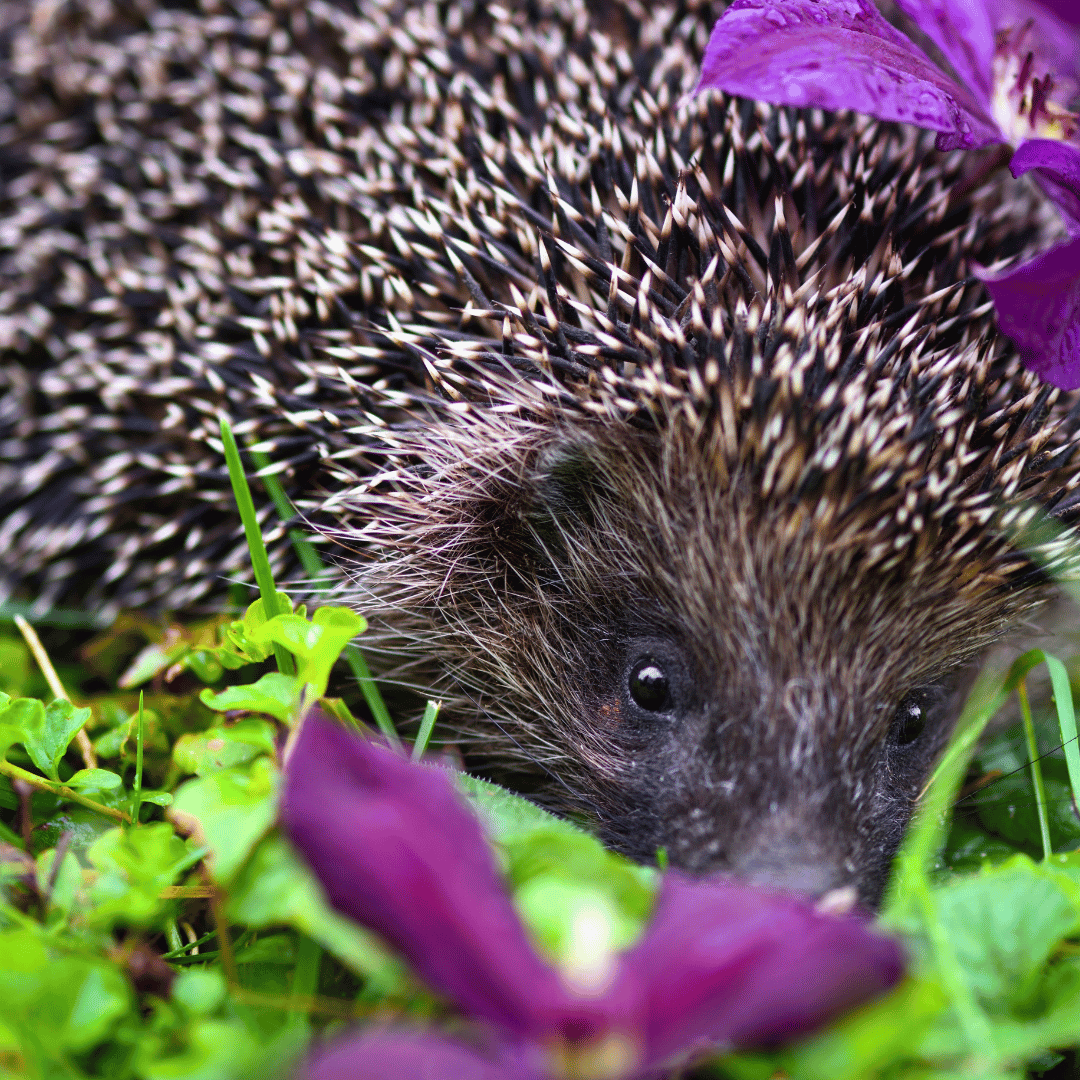
Before you start gardening, especially with tools like lawnmowers or strimmers, make sure to inspect areas where hedgehogs might be hiding. These animals often shelter in tall grass, leaf piles, and compost heaps. Taking a moment to check can prevent accidental injury to a hedgehog.
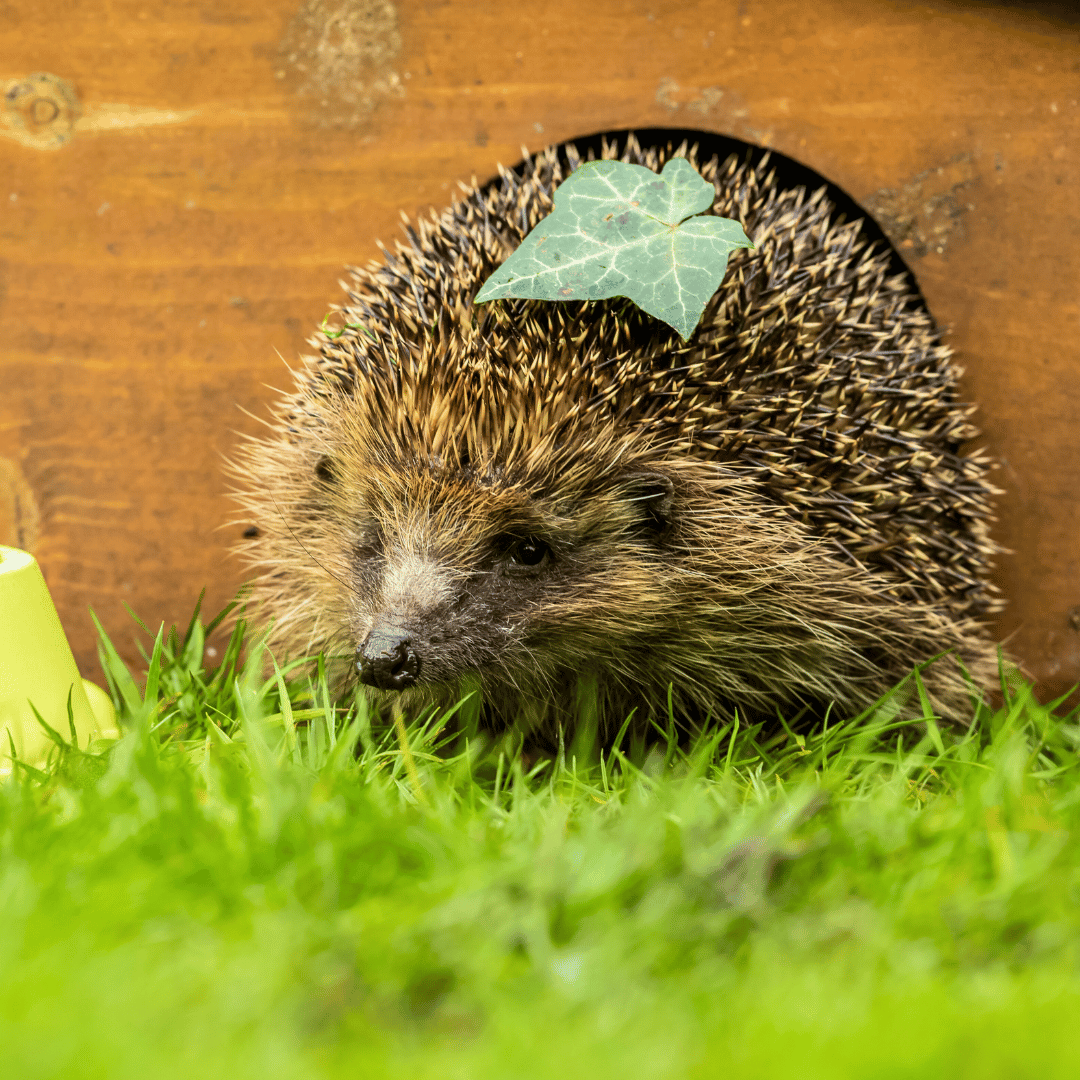
If you want to attract hedgehogs to your garden, providing safe and dry shelters is crucial. You can purchase or build hedgehog houses, or simply create piles of logs or leaves. These shelters offer protection from predators and harsh weather, helping to create a safe environment for hedgehogs.
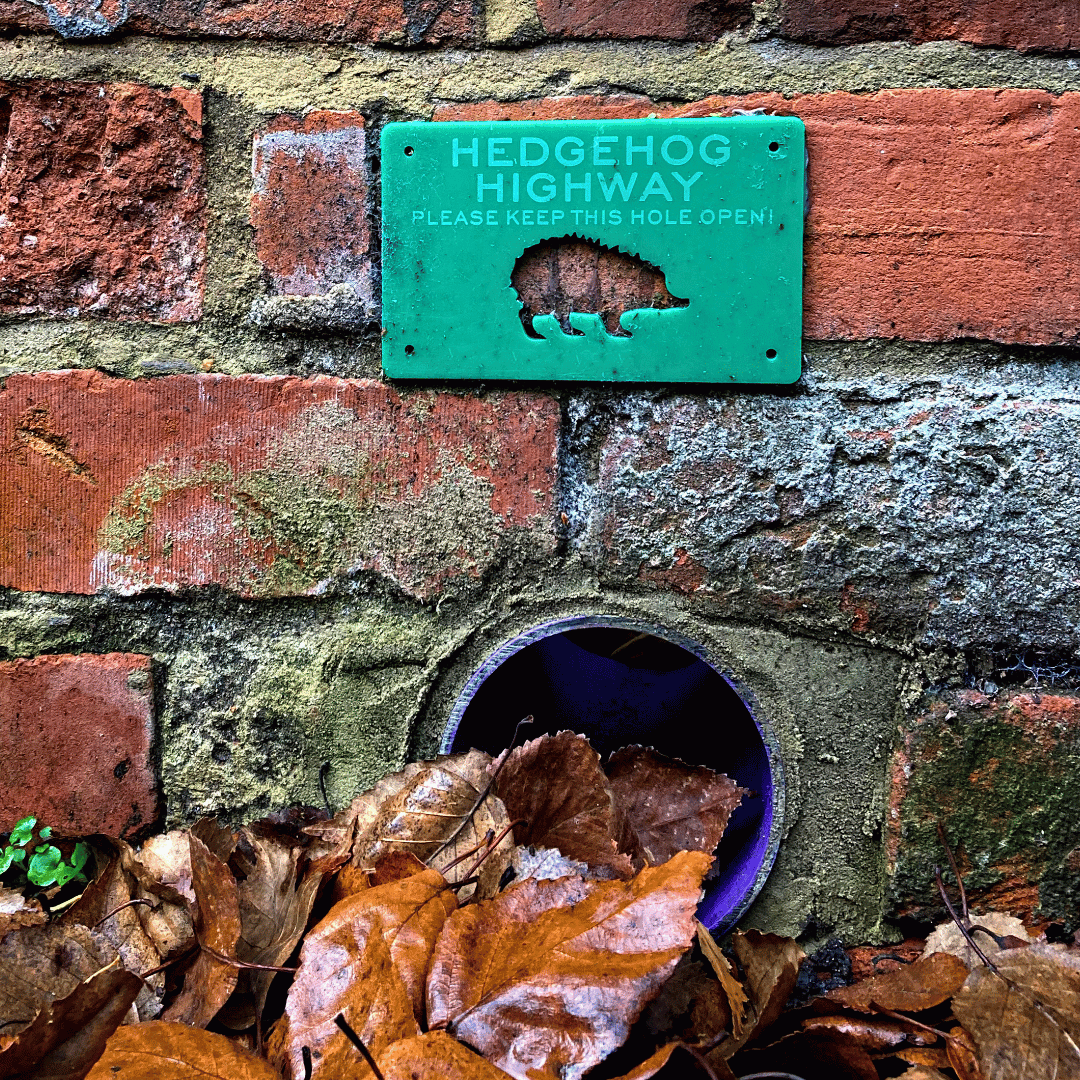
Hedgehogs can travel up to two miles in a single night in search of food and mates. To facilitate their movement, ensure there are gaps in your garden fences (about 13cm x 13cm) that allow hedgehogs to pass through. This connectivity is essential for their survival, as it helps them find food and avoid inbreeding.
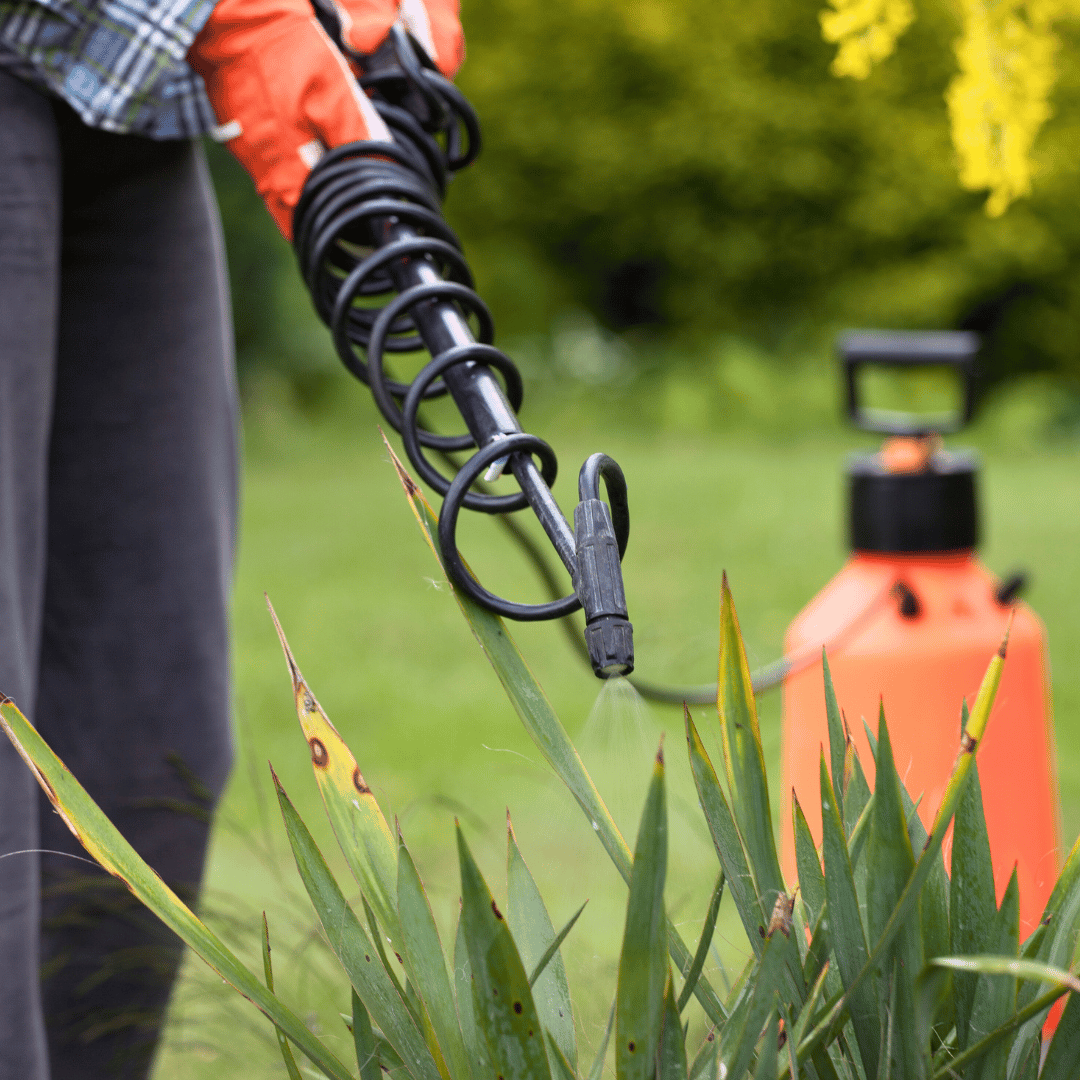
Pesticides and other chemicals can be harmful or even lethal to hedgehogs. They can also reduce the availability of insects, a primary food source for hedgehogs. Opt for natural pest control methods to create a safer environment for these creatures and to maintain a healthy ecosystem.
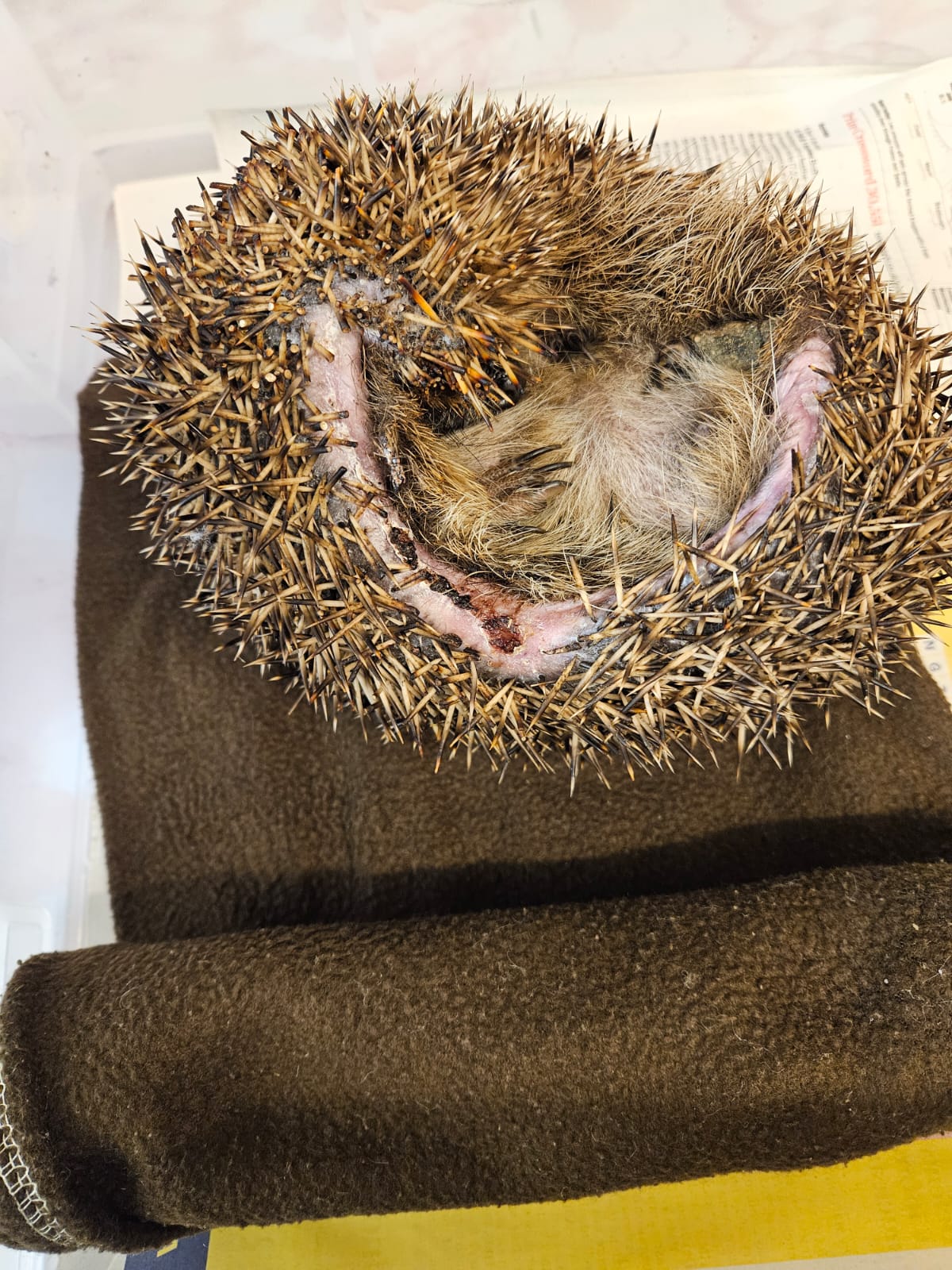
Before lighting a bonfire, thoroughly check it for hiding hedgehogs. These animals often seek refuge in unlit bonfires for warmth and safety. Moving the bonfire materials the day of lighting can prevent tragic accidents, ensuring any hidden hedgehogs have safely moved on. The picture shows a hedgehog had the misfortune of not being noticed before the bonfire was lit.
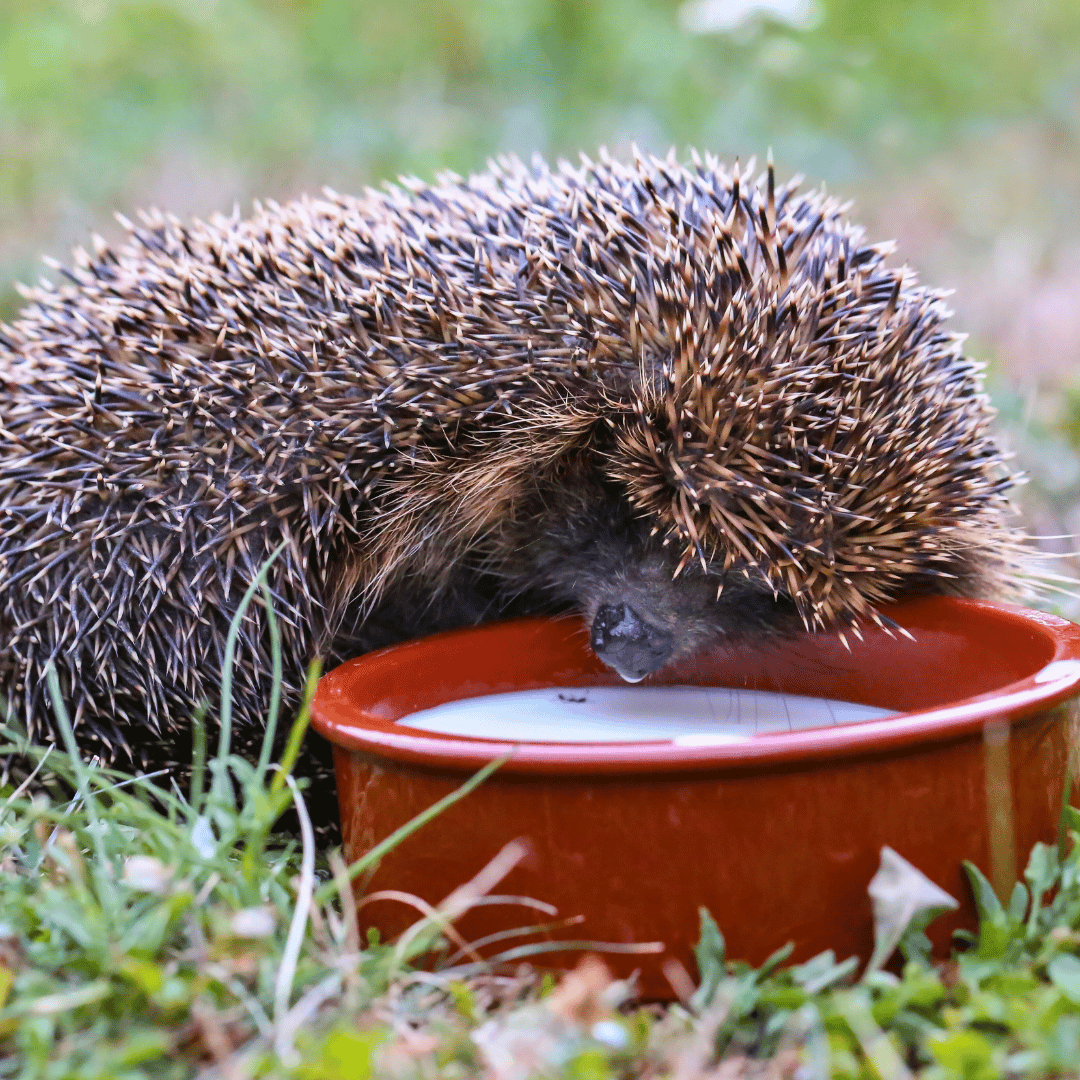
Hedgehogs need access to water, particularly during dry spells. Place a shallow dish of fresh water in your garden and refill it regularly. This simple act can be a lifesaver for hedgehogs, helping them stay hydrated and healthy.
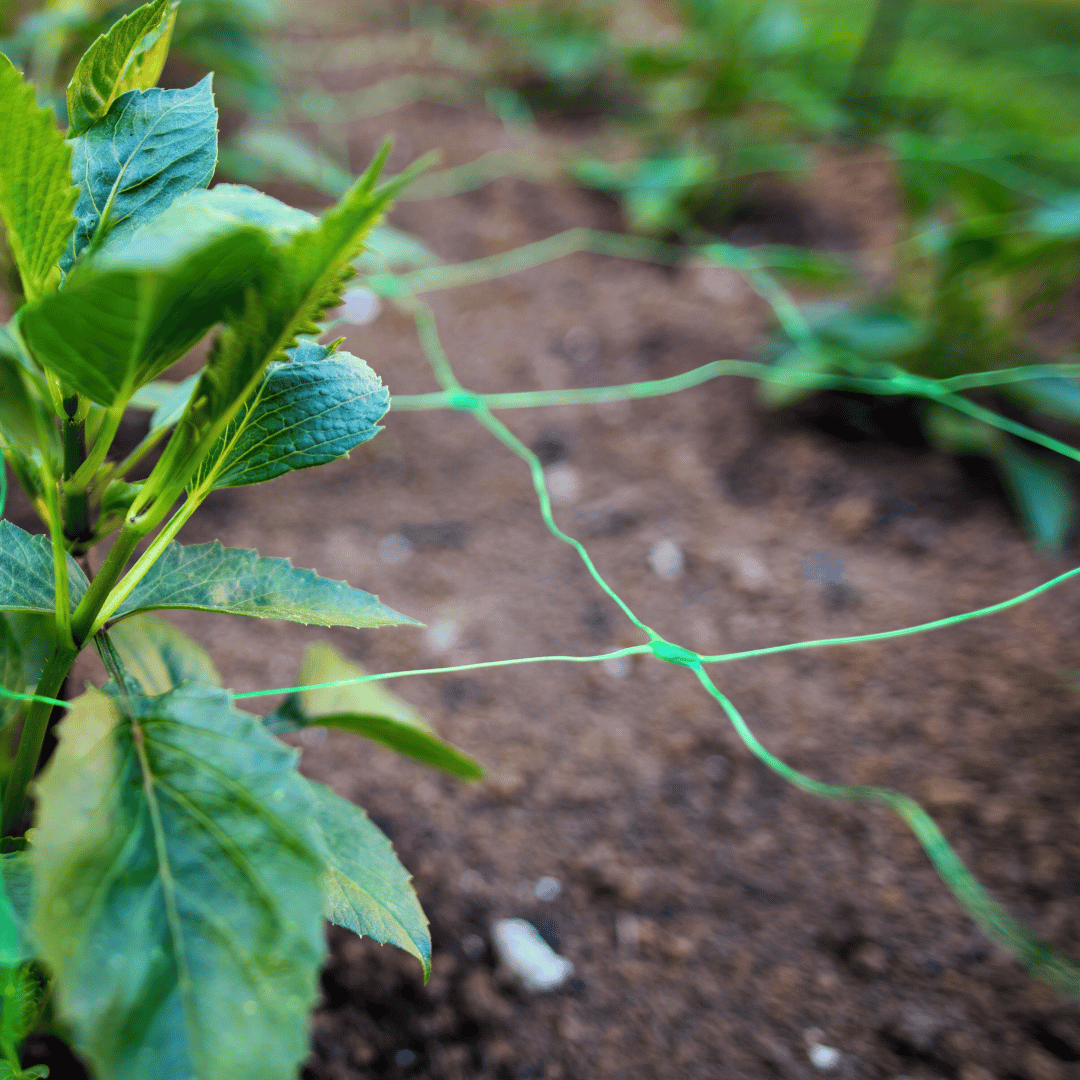
Garden netting poses significant risks to hedgehogs, potentially causing injury or even death if they become entangled. To minimise these dangers, it's best to suspend any garden netting at least a foot above the ground. This simple adjustment can help prevent hedgehogs from accidentally getting caught while still allowing the netting to fulfil its intended function. If a hedgehog does become entangled, it is crucial to gently free it and take it to a wildlife rescue centre for observation. The netting can act like a tourniquet, causing severe damage to their limbs that may not be immediately apparent. A week of observation at a rescue centre can ensure that any hidden injuries are properly addressed.
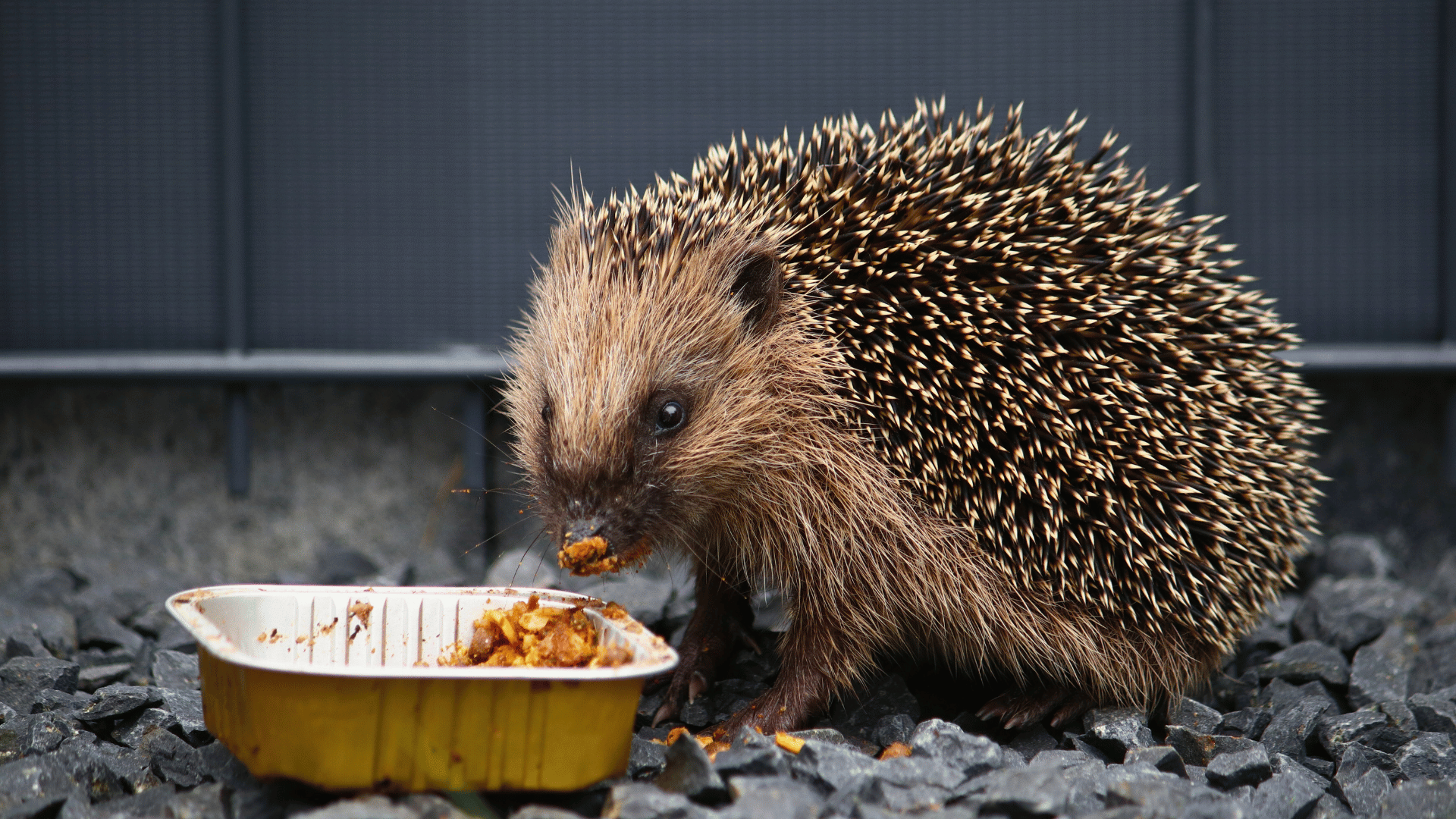
When you leave food out in your garden for hedgehogs, it's meant to supplement their diet. They will gain more nutritional benefit from the insects and worms in your garden than from any manufactured food you provide. To encourage them to eat, consider setting up a feeding station to keep the food dry, as they dislike food that has been rained on. You can offer them any commercially produced hedgehog food, but be sure to check the ingredients, as those containing honey may contribute to tooth decay. Wet cat food, whether meat or fish-based, as well as dry cat food, are also suitable. While dog food is an option, remember that hedgehogs don't eat vegetables, so ensure that meat is the primary ingredient.
Hedgehogs are nocturnal, so if you spot one sunbathing or curled up in the garden without moving, and it's surrounded by flies, the hedgehog is ill. It should be taken to a rescue centre or vet before the fly eggs hatch and maggots begin to consume the hedgehog. With gloves on, place the hedgehog in a box with some gentle warmth—avoid direct heat—and wrap a towel around it to deter the flies. Do not feed the hedgehog, as it is too sick. The only exception is a pregnant hedgehog, which may be seen foraging for food just before giving birth to increase her weight for the upcoming delivery of her young.

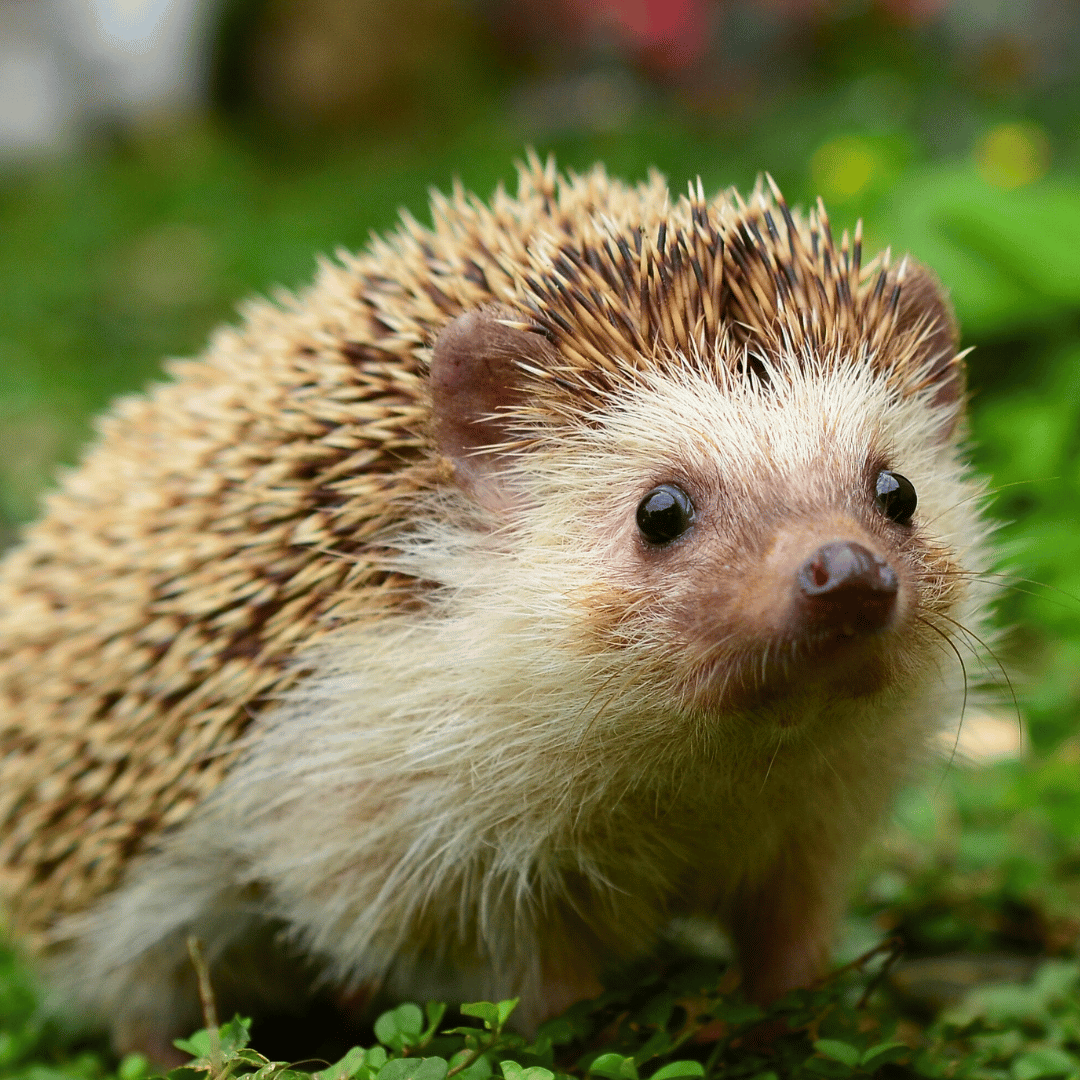
Pygmy
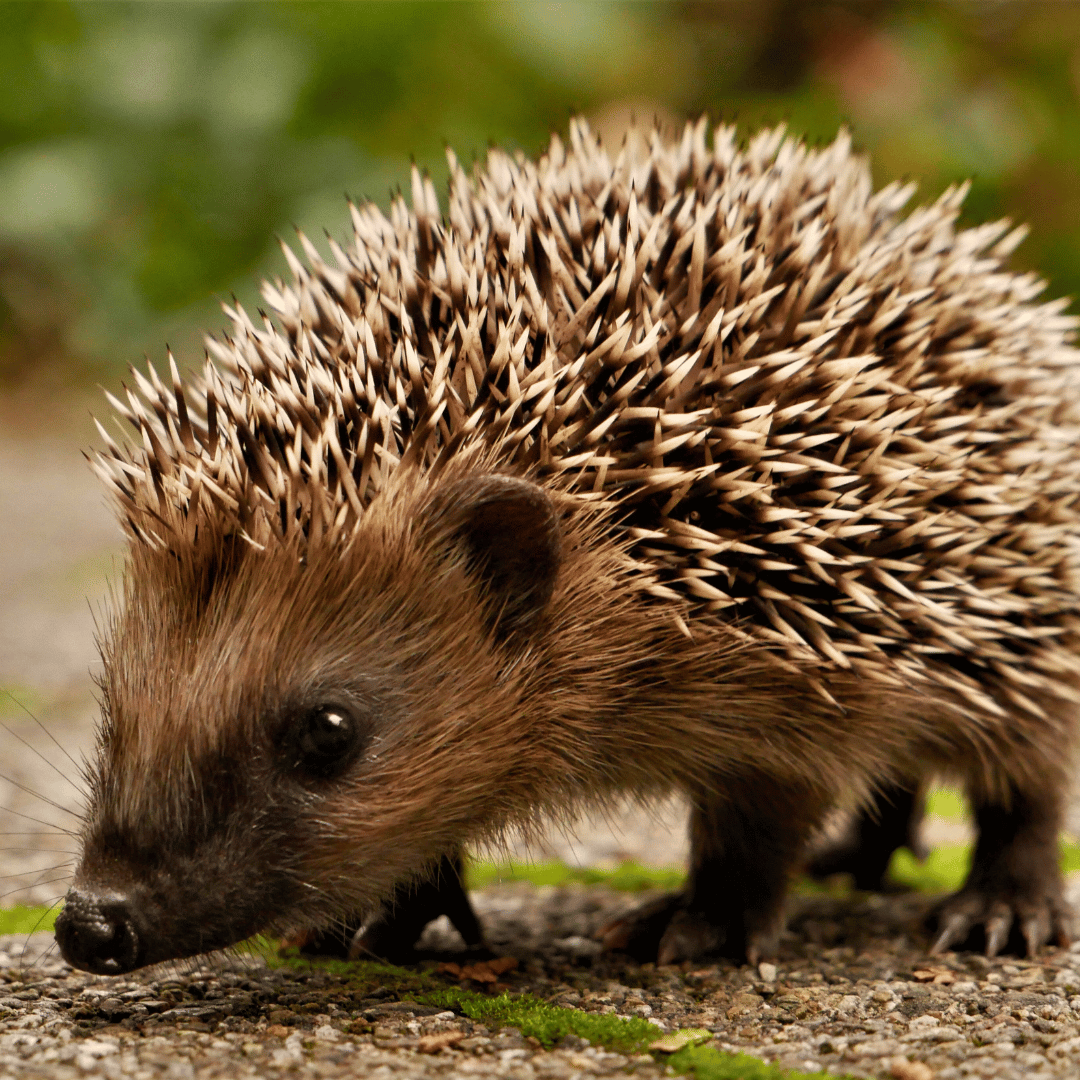
Native
Understanding the distinct differences between pygmy hedgehogs and native wild hedgehogs is crucial for their proper care and conservation, especially regarding their habitat and dietary needs. Pygmy hedgehogs, also known as African pygmy hedgehogs, are small, domesticated animals that require a controlled environment. They thrive in a vivarium—a type of enclosed habitat that simulates a warm, secure environment. This is essential for maintaining their body temperature in climates that differ from their native African grasslands. Diet-wise, pygmy hedgehogs benefit from a specialised diet that can include a variety of foods such as high-quality dry cat food, cooked meats (without seasoning), and small amounts of fruits and vegetables. They also require additional protein sources like mealworms or crickets, which are crucial for their health. In contrast, native wild hedgehogs, such as the European hedgehog found widely across Europe, are adapted to live outdoors and have different dietary needs. These hedgehogs primarily feed on insects, worms, slugs, and snails, making them natural pest controllers. Unlike pygmy hedgehogs, they do not typically require or thrive on a diet that includes cat food or cooked meats. Instead, they benefit from their natural diet, which can be supplemented in gardens by leaving out specific hedgehog foods available from wildlife conservation groups or a shallow bowl of water. It's important for potential hedgehog caretakers to recognise these differences to avoid inappropriate feeding, which can lead to health problems. European hedgehogs should never be kept in a vivarium like their pygmy counterparts, as they are adapted to roaming freely and hibernating under natural cover in the wild.